
Coral helps you plan a reader-focused document
This is quick and simple, but it really works.
I want you to imagine your reader's brain full of questions that spring one from the other, like delicate branching coral.
Here's my coral, but yours can have a clownfish in it if you want. Or a baby octopus. It's your imagination.
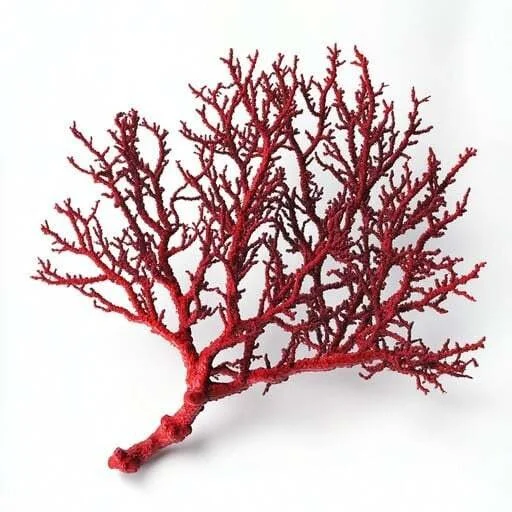
The start of your document is the trunk of the coral.
It's always made up of the reader's first 3 questions:
What's this about?
How is it relevant to me?
What's the bottom line?
Answer those, and your reader will probably ask 'Why?' or 'How?' or 'How do you know?'
At this point, you'll probably have a few answers. 'Because of A, B, and C'. The coral starts to branch.
Let's go down branch A
What questions will your reader have specifically about branch A? Let's say branch A is about money.
How do you know we can afford this?
Which pot of money will we use to pay?
Is there an ongoing cost as well as an upfront cost?
Is this the best use of the money?
Once you answer each of those, you may find a set of baby-bud questions springing from one or two of those points. Note down those baby questions until you think your reader will feel satisfied they have enough detail.
Now let's go down branch B
Branch B might be your reader's questions about risk.
What could go wrong?
How likely is it that those things will go wrong?
What will we do to make the bad things less likely to happen?
Again, some answers might have little sub-questions budding off them.
Before you know it, you've got the skeleton of your document
The A, B, C branches become your major headings.
The sub-questions are your subheadings.
The baby bud questions are your sub-sub headings.
In the last 2 weeks, I've watched multiple workshop participants plan complex documents in 10 to 15 minutes using this technique.
Even the most complex documents have one job to do: answer the readers' questions.
Imagining your readers' questions like branches of coral helps you create a natural-feeling structure for your readers.
✨ Sign up for regular writing tips – get new tips direct to your inbox every 2 weeks
✨ Check out my Business Writing Course, where I teach you how to write with clarity and confidence.
✨ Look into the School of unProfessional Writing to learn about plain language at your own pace